SRP’s New Rate Plans Are Here
Batteries are Key To Success
SRP’s New Solar Rates: Why Battery Storage Is Now Essential
In November 2025, SRP introduced new residential rate plans that affect every solar customer. While legacy plans remain available for now, all SRP solar customers will be required to transition to the new rate plans by November 2029, regardless of how long they’ve had solar.
After that point, there’s no grandfathering. The new plans work very differently than what most solar customers are used to—and preparing for that shift starts with having a battery plan in place.
What’s Changing with SRP’s Rate Plans?
SRP’s new residential solar rate plans (E-16 and E-28) shift on-peak pricing later into the evening—when household energy use is highest, but solar production is falling or has stopped entirely.
On-Peak Hours for 2029 Mandated Rate Plans
- E-16: 5 p.m. – 10 p.m.
- E-28: 6 p.m. – 9 p.m.
At the same time, SRP’s updated export valuation reduces the credits for any excess solar energy sent back to the grid—particularly during midday hours. Compared to legacy plans like E-27, exporting power on the new plans delivers far less value.
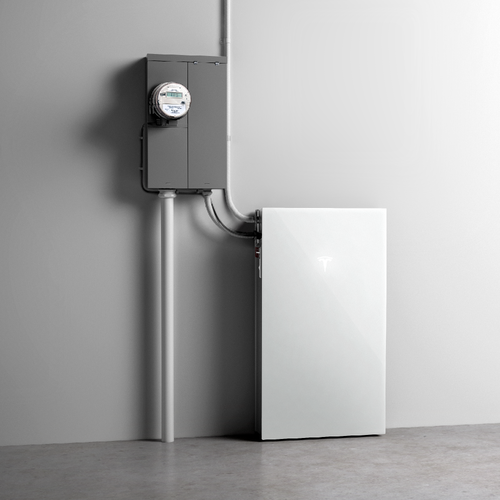
Batteries are now essential. Rather than exporting excess energy for diminishing credits, storing that energy in a battery for evening use allows you to avoid the most costly on-peak hours entirely (depending on battery size)
Legacy Plans Don’t Go Away — Yet
Current SRP solar plans (like E-13, E-14, E-15, and E-27) still exist and remain open to new customers until 2029 — but everyone will be required to move to E-16 or E-28 by November 2029.
That makes now the right time to plan ahead. Under the new rate structure, a solar-only system will be far less effective—while batteries play a critical role in preserving long-term savings.

Why This Matters for Solar Customers
Simply put, under SRP’s new pricing—mandated for all solar customers by November 2029—solar panels alone won’t offset your most expensive electricity.
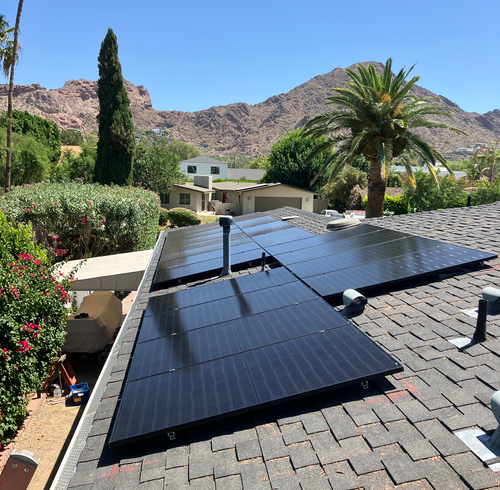
Because peak rates occur later in the evening, after solar production has declined or stopped, a solar-only system can’t directly cover those costs. Storing excess solar energy in a battery and using it during on-peak hours is the most effective way to offset that expensive power.
That’s why even customers on legacy SRP plans should be planning for a battery addition in the years ahead.
The Role of Batteries in the New SRP Landscape
1. Store Low-Cost Energy for Peak Use
Solar panels produce power when the sun is shining — but SRP’s most expensive electricity happens in the evening under the new plans. With a battery, you can:
- Charge during low-cost super off-peak hours or directly from your solar panels
- Use stored energy during on-peak evening hours to avoid the highest utility rates
- Maintain backup power during grid outages, including the ability to keep your AC running
This approach aligns your solar production with your household’s highest cost energy needs — and maximizes your dollar-for-dollar savings.
2. Extend the Life of Your Solar Investment
Even if you don’t want batteries right now, planning ahead ensures your current solar system continues to work for you into the decade ahead. Battery add-ons can be integrated later — but the best savings come from planning ahead.
3. Backup Power When You Need It Most
Beyond bill savings, batteries provide backup power during outages—offering peace of mind when the grid goes down, something solar panels alone cannot do. As Arizona summers grow longer and hotter, maintaining access to critical systems like air conditioning is increasingly important.
Existing vs. New SRP Customers: The Breakdown
If You Already Have Solar
- You’ll remain on your current grandfathered rate plan until November 2029.
- But your billing structure will eventually change — and that’s why batteries should be on your roadmap.
- Consider early battery planning to avoid surprises, maximize future savings, and claim incentives that may not be there later. .
If You’re Thinking About Solar
- SRP allows enrollment on some legacy plans now — but they will retire in 2029 when all SRP solar will be required to migrate to either E-16 or e-28.
- Designing your solar system today to account for the new rate structures (with storage) gives you an edge in long-term performance.
We’ll Help You Make A Plan:
The shift to SRP’s new rate plans is coming—and having a clear plan now makes all the difference later. Whether you already have solar or are considering it for the first time, understanding how batteries fit into your long-term strategy is key.
Schedule a no-pressure consultation to review your current SRP rate plan, understand what’s changing, and build a battery roadmap that prepares your home for 2029 and beyond.
For a deeper dive Into this important transition, please refer to our blog: SRP’s New Rate Plans: What Solar Customers Need to Know